Digital Dentures vs Traditional Dentures: What Dentists Should Know
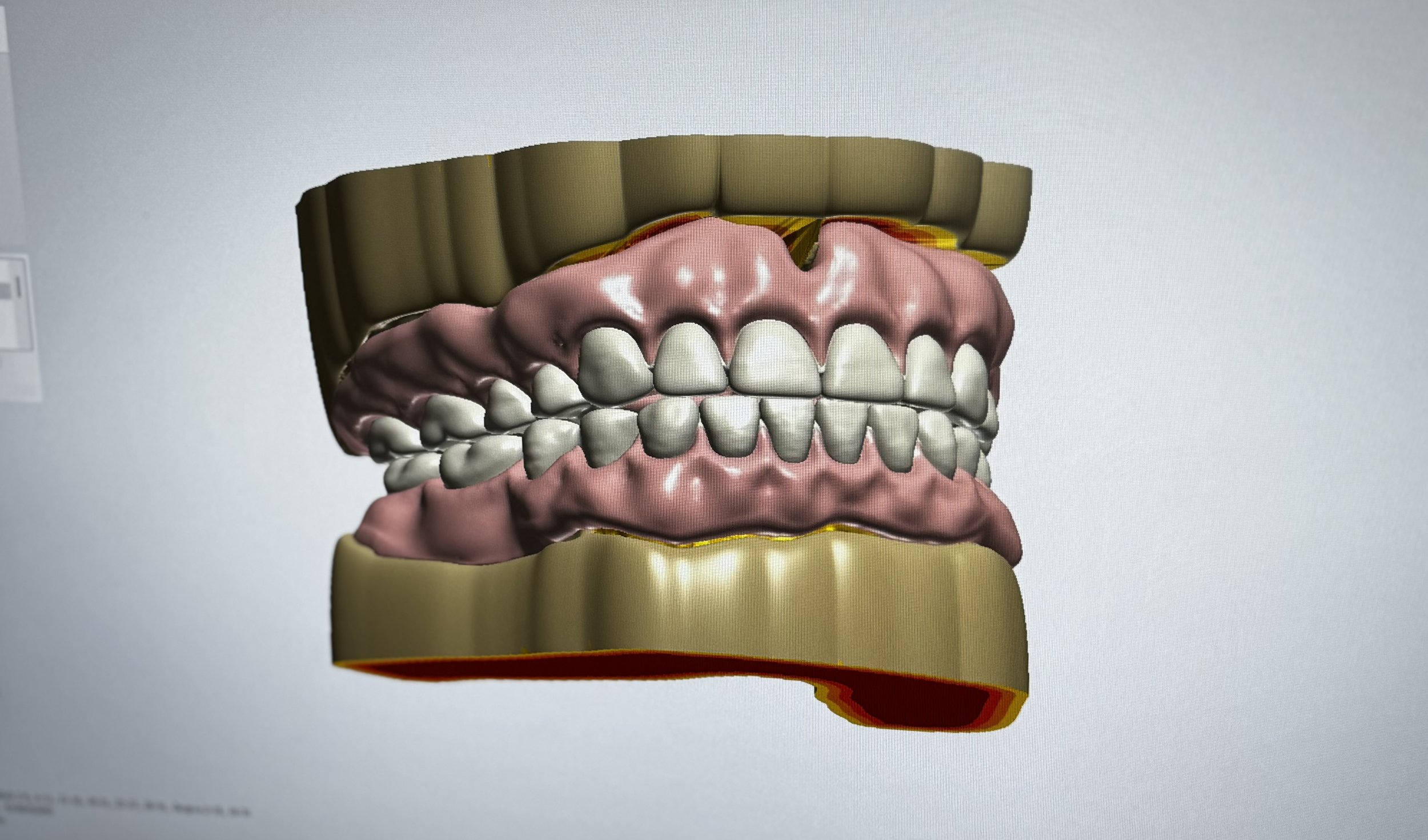
Digital dentures CAD design workflow example
Dentistry continues to evolve as digital workflows reshape how restorative and removable treatments are delivered. One of the most significant developments in removable prosthetics is the introduction of digital dentures, which use CAD/CAM design and 3D printing technology to streamline production and improve consistency.
As digital workflows continue to expand across dentistry, many practices are reevaluating how removable prosthetics fit into a more efficient, predictable system. For dental practices evaluating digital workflows, understanding the differences between digital dentures and traditional dentures is key to determining which approach best fits clinical goals and patient expectations.
If you're looking for a deeper breakdown of digital denture workflows, materials, and clinical considerations, you can also read our complete guide to digital dentures.
Digital Dentures vs Traditional Dentures (Quick Comparison)
Digital dentures use CAD/CAM technology and 3D printing to streamline workflows and improve consistency
Traditional dentures rely on manual impressions, wax try-ins, and conventional processing
Digital workflows may reduce chair time and adjustments
Traditional methods remain effective in certain clinical situations
What Are Digital Dentures?
Digital dentures are prosthetics designed using computer-aided design (CAD) software and manufactured through 3D printing or milling technologies.
Instead of relying solely on conventional impressions, wax setups, and manual processing, digital dentures can be produced using intraoral scans and digital design workflows.
This digital approach allows laboratories to maintain a fully archived digital record, enabling easier remakes, adjustments, and long-term consistency.
The American Dental Association (ADA) defines dentures as removable appliances that replace missing teeth and restore oral function. Digital dentures apply modern technology to this long-established treatment.
What Are Traditional Dentures?
Traditional dentures follow a conventional analog workflow that typically includes:
Physical impressions
Wax rim records
Wax try-ins
Manual acrylic processing
Multiple patient appointments
While this method has been used successfully for decades, it often involves more clinical visits and additional laboratory steps.
Traditional dentures remain effective and widely used, particularly in cases where digital scans are not available.
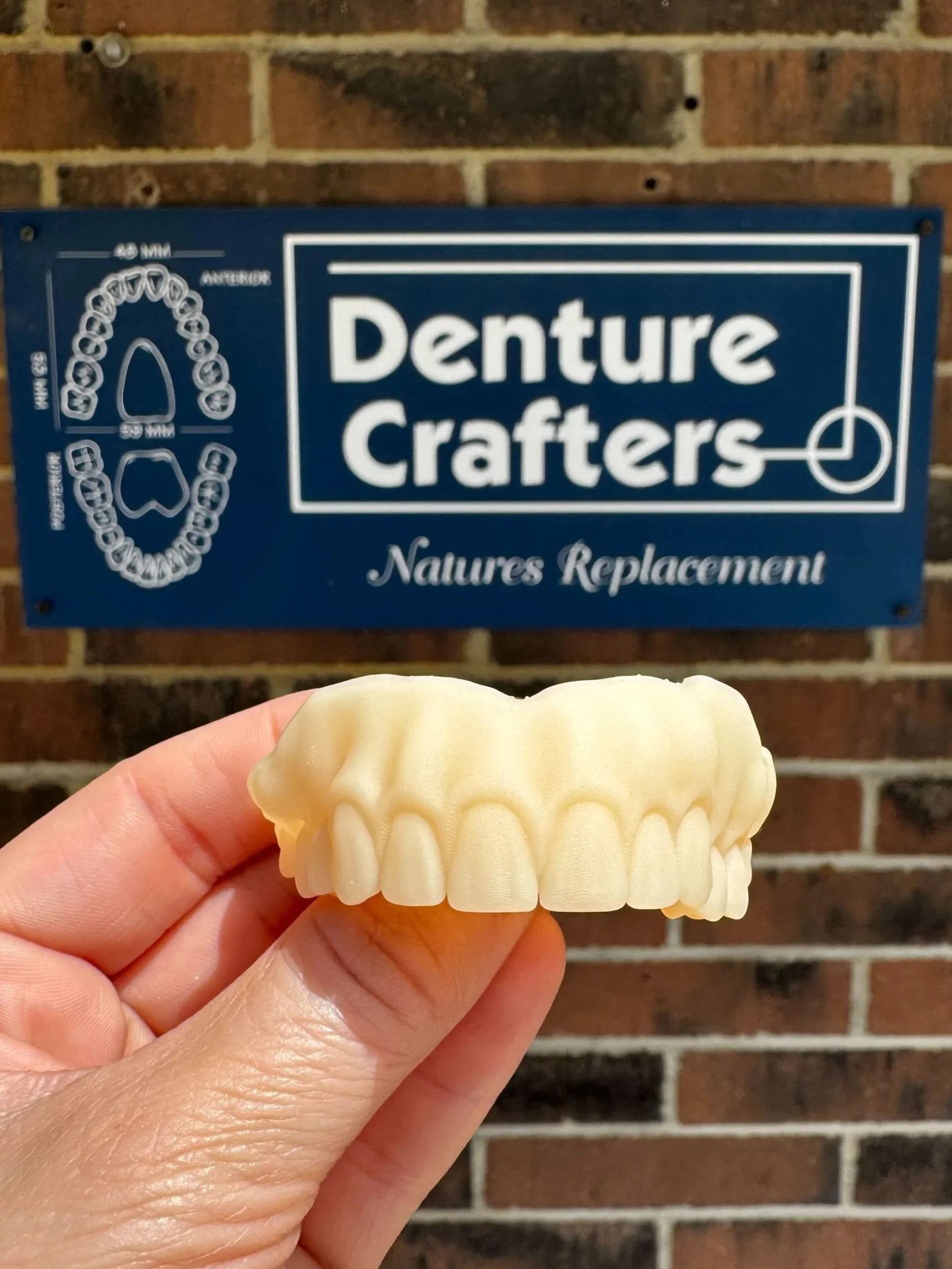
3D printed digital try-in example
Digital Dentures vs Traditional Dentures: Key Differences
Here is how the two approaches typically compare.
Workflow Efficiency
Traditional dentures often require multiple appointments and physical laboratory stages.
Digital dentures streamline this process through scan-based workflows and digital design, often reducing the number of steps required.
A study published in the Journal of Dentistry (2025) found that digital denture workflows significantly reduced chair time compared to conventional techniques.
For a more detailed breakdown of how digital workflows are structured from start to finish, you can also review our digital dentures workflow.
Fit and Patient Comfort
Digital dentures are designed with precise CAD software, which may improve consistency in fit and retention.
A 2025 clinical trial in Dentistry Journal reported that patients wearing digital dentures experienced higher comfort levels and fewer adjustments compared with conventional dentures.
Material Strength
Research published in Scientific Reports found that modern 3D-printed denture base materials demonstrated higher flexural strength and lower water absorption compared to some conventional acrylic materials.
This can contribute to improved durability and stability over time.
Turnaround Time
Because digital dentures eliminate several manual steps, laboratories can often produce them more efficiently than traditional dentures.
Additionally, digital files can be archived, making future remakes faster and easier if a prosthetic is lost or damaged.
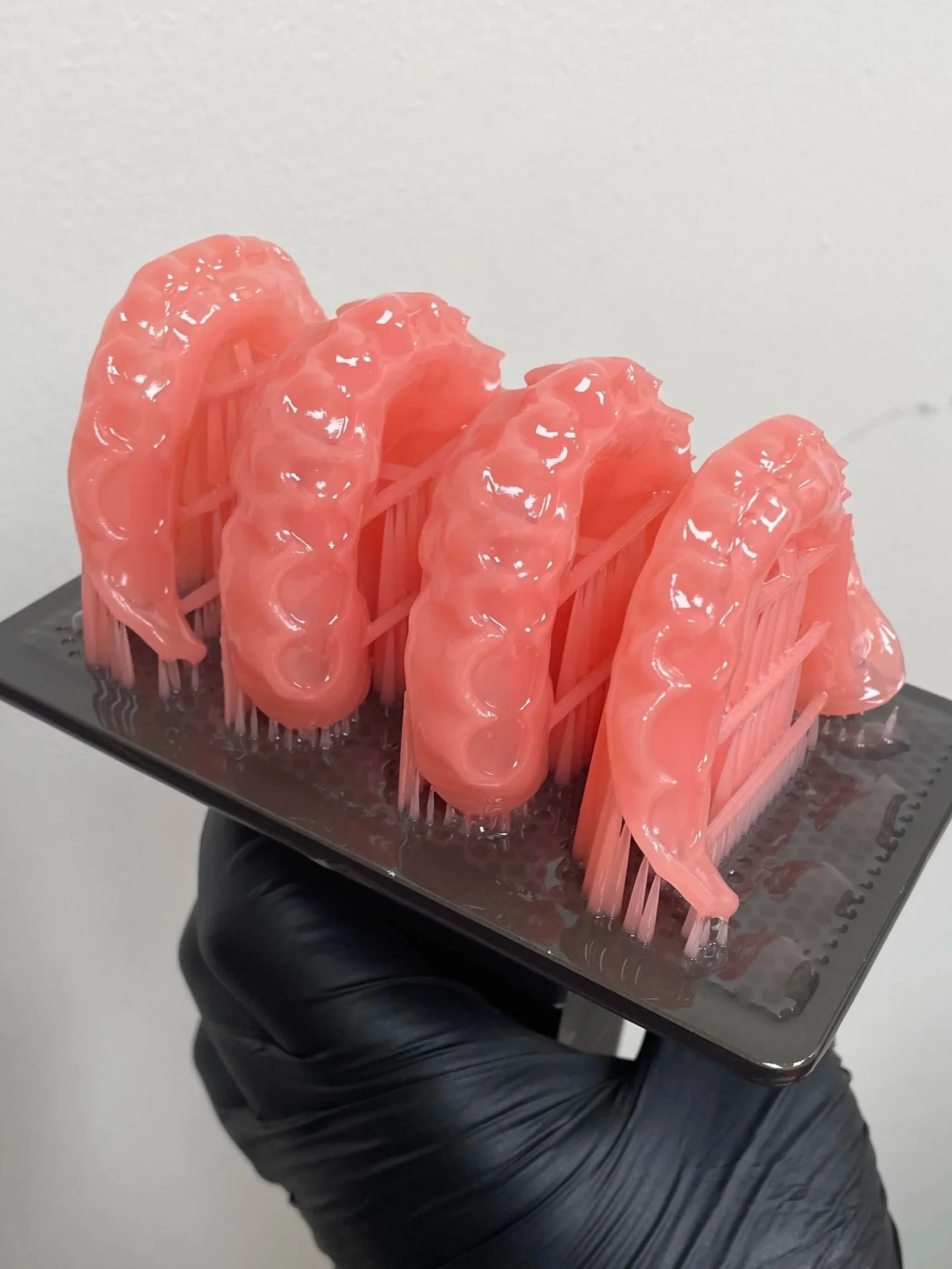
Digital dentures 3D printing process on build plate with support structures
FDA-Cleared Materials and Digital Manufacturing
At Denture Crafters, we utilize Lucitone Digital Print, the only FDA-cleared 3D-printed denture base material that also meets ISO 20795-1:2013 standards for denture polymers.
These materials are designed to deliver consistent quality while maintaining the durability expected in removable prosthetics.
When Digital Dentures Make the Most Sense
Digital dentures may be especially beneficial for:
Practices already using intraoral scanning
Patients seeking fewer appointments
Situations where rapid remakes or duplication may be needed
Offices integrating fully digital restorative workflows
However, traditional dentures remain an effective solution and may still be preferred depending on clinical circumstances.
Ready to Submit a Digital Case?
If your practice is ready to begin working with digital dentures, our team makes it easy to get started.
👉Submit a case directly through our website or contact us for help setting up your digital workflow.
Supporting Digital Workflows for Your Practice
Denture Crafters supports practices transitioning to digital removable workflows, and we accept scans from all major intraoral scanning systems.
Whether your office uses iTero, 3Shape, Medit, Primescan, or another digital platform, our team can receive and design cases directly from your scans.
For offices using iTero, you can connect with us using:
iTero ID: 466247
Digital files can also be submitted through our Doctor Portal, or STL files can be securely uploaded through our case submission system.
If your practice is new to digital impressions, our team is always happy to help guide you through the process.
Partnering with Denture Crafters
Our team focuses exclusively on removable prosthetics and supports both traditional and digital denture workflows.
Practices partner with Denture Crafters for:
Consistent removable prosthetic expertise
Digital denture workflows
FDA-cleared materials
Personalized laboratory communication
Reliable turnaround times
Learn More About Digital Dentures
If you're exploring how digital dentures fit into your practice, our team is happy to help you evaluate workflows, materials, and case planning.
We also put together a complete guide to digital dentures that walks through the full process and clinical considerations.
Submit a case today or reach out to discuss how digital dentures can fit into your workflow.
