Digital Denture Workflows: When to Use Digital vs Traditional Approaches
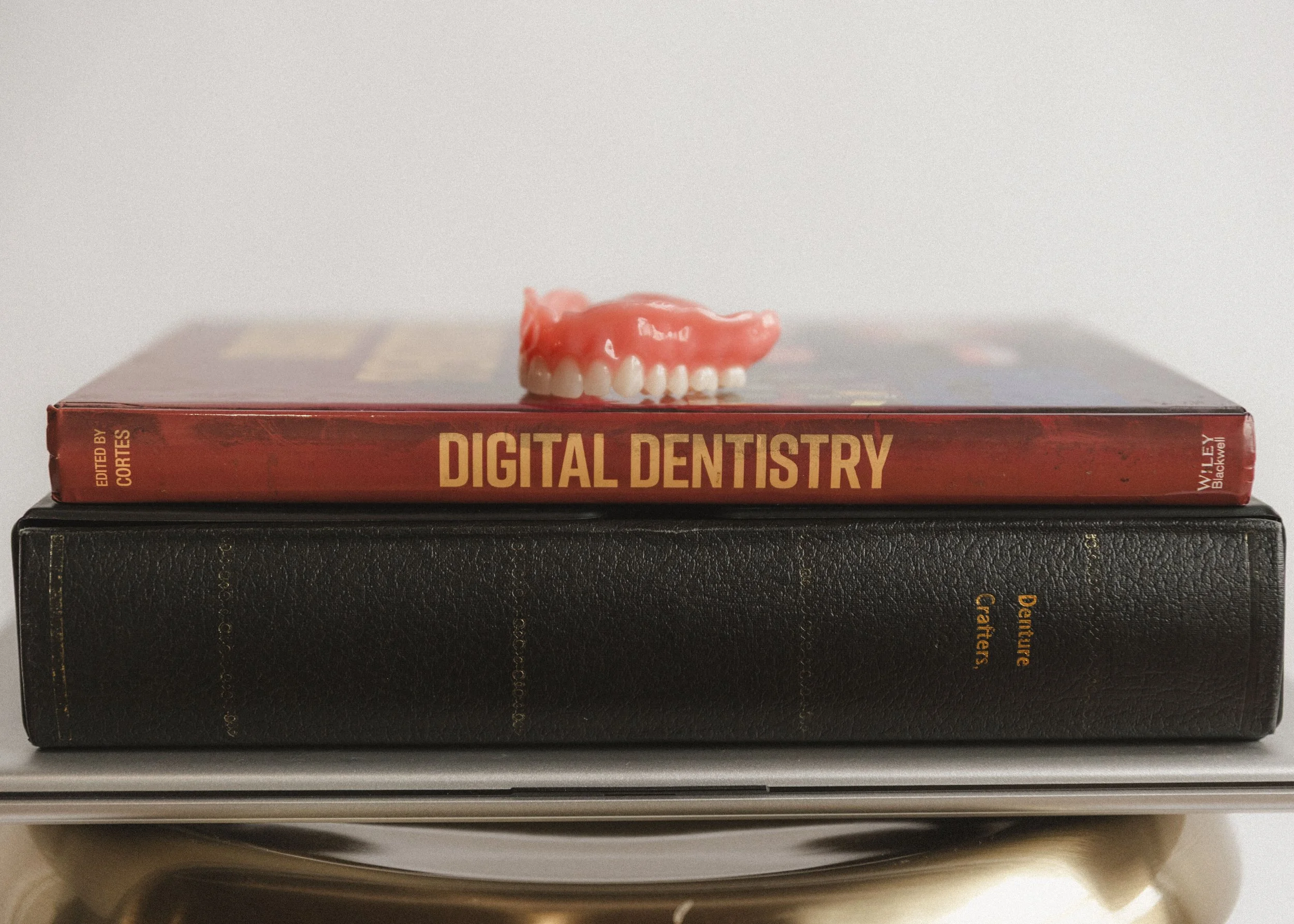
Digital dentistry is transforming removable prosthetics. From intraoral scanning to CAD/CAM manufacturing, digital denture workflows are changing how clinicians and laboratories collaborate to deliver predictable patient outcomes.
While traditional denture fabrication has served patients successfully for decades, digital denture technology introduces new levels of precision, efficiency, and case repeatability.
For dentists evaluating digital workflows, the key question isn’t simply whether digital dentures are “better.” Instead, the real question is:
When does digital offer an advantage, and when should traditional techniques still be used?
In this guide, we’ll break down:
• How digital dentures differ from traditional dentures
• The advantages and limitations of each workflow
• When digital workflows make the most sense clinically
• How dental laboratories support successful digital cases
What Are Digital Dentures?
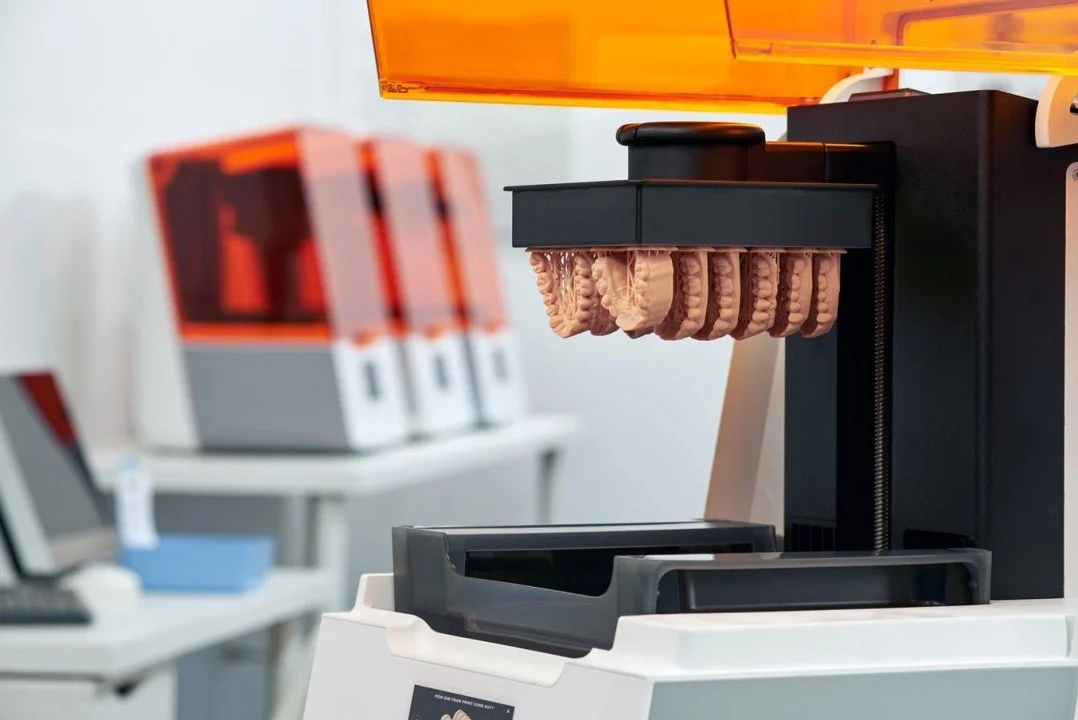
Digital dentures are removable prostheses designed using CAD/CAM software and manufactured through milling or 3D printing technologies.
Instead of relying entirely on traditional impressions, stone models, and manual wax-ups, digital dentures are built using:
• Intraoral scans or digitized impressions
• STL files instead of physical casts
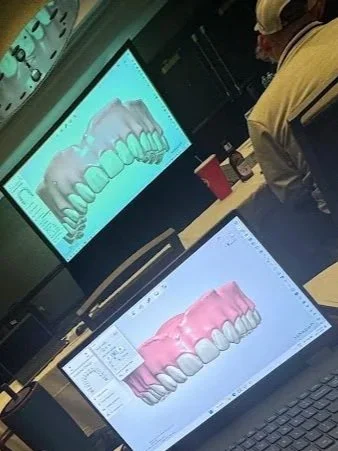
• Virtual denture design software
• CAD/CAM milling or 3D printing
These technologies allow dental laboratories to create dentures with highly repeatable results while storing case data digitally for future use.
Digital workflows also allow clinicians to review virtual try-ins, adjust designs digitally, and reduce the number of patient visits required for denture fabrication.

Traditional Denture Workflow
Traditional denture fabrication follows a multi-step analog process that has been used successfully for decades.
Typical steps include:
Preliminary impressions
Custom tray fabrication
Final impressions
Baseplate and wax rim
Bite registration
Wax try-in
Processing and finishing
This workflow remains extremely reliable when performed correctly, particularly for complex cases requiring extensive soft tissue management.
Many clinicians still prefer traditional workflows for cases involving:
• Highly mobile soft tissues
• Extremely resorbed ridges
• Patients with difficult anatomical landmarks
While the process requires more physical materials and laboratory steps, experienced clinicians and technicians can achieve excellent outcomes with traditional denture fabrication.
Advantages of Digital Dentures
Digital denture workflows offer several advantages that appeal to modern dental practices.
Increased Case Predictability
Digital design allows technicians to control tooth positioning, occlusion, and base design with high precision. Once a successful design is achieved, the case can often be reproduced consistently.
Improved Case Consistency
Digital denture workflows allow technicians to design prosthetics with highly controlled tooth positioning, occlusion, and base design. Once a successful design is created, the digital file can be reproduced with a high level of consistency.
For dental practices managing removable cases across multiple patients, this level of repeatability can reduce unexpected adjustments and help maintain predictable outcomes.
Reduced Appointments
Digital workflows may reduce the number of clinical appointments required. Some digital denture systems allow fabrication in as few as two visits.
Stored Digital Records
Once a denture case is digitized, the design can be stored indefinitely. If a patient loses or damages their denture, the laboratory can reproduce the prosthesis without repeating the entire workflow.
When Traditional Workflows Still Matter
Despite the advantages of digital dentistry, traditional techniques still play an important role in removable prosthodontics.
Certain clinical situations may still benefit from analog impressions and traditional workflows.
Examples include:
• Severely mobile or compressible soft tissue
• Patients with extreme ridge resorption
• Cases requiring detailed border molding
• Situations where intraoral scanning struggles with reflective surfaces
Many laboratories use hybrid workflows, combining digital design with analog impressions to achieve the best results.
This approach allows clinicians to benefit from digital precision while still capturing critical anatomical details when needed.
The Hybrid Workflow: Digital + Analog
Many practices today use hybrid workflows, combining digital and traditional techniques to achieve predictable removable outcomes.
In some cases, clinicians may still use analog impressions to capture highly mobile soft tissue while the laboratory uses digital tools for design and manufacturing.
In other situations, practices may capture intraoral scans but request traditional processing from the laboratory. This allows clinicians to begin integrating digital technology while still relying on familiar denture fabrication techniques.
For example, hybrid workflows may include:
• Analog impressions used to capture highly mobile soft tissue
• Digital scans used for case design and manufacturing
• Digital scans submitted to the lab with analog denture processing
• Digital try-ins used to preview aesthetics and occlusion
Hybrid workflows provide flexibility and allow clinicians to adopt digital technology at their own pace while maintaining clinical confidence.
At Denture Crafters, we support fully digital, traditional, and hybrid removable workflows, allowing practices to transition into digital dentures comfortably as their experience grows.
How Dental Laboratories Support Digital Denture Cases
Digital denture workflows require close collaboration between the clinician and the laboratory.
A laboratory experienced in digital removable prosthetics can assist with:
• Case planning and workflow guidance
• Scanner compatibility and file submission
• Digital design and tooth arrangement
• Troubleshooting difficult cases
• Efficient case turnaround
At Denture Crafters, we support dental practices nationwide with removable prosthetics, digital denture workflows, and technician collaboration that helps clinicians achieve predictable results.
We accept STL files from all scanning systems and work with both new digital users and experienced clinicians.
Digital Dentures in Modern Dental Practices
As digital dentistry continues to evolve, removable prosthetics are becoming more integrated into digital workflows.
For many practices, digital dentures provide opportunities to:
• Reduce remakes through improved workflow consistency
• Improve scheduling efficiency
• Increase patient acceptance with visual previews
• Streamline collaboration with dental laboratories
While traditional denture techniques remain essential in certain clinical situations, digital dentures are quickly becoming a valuable tool for modern dental practices.
For a deeper look at scanning strategies, read our guide to digital denture scanning workflows.
Final Thoughts
Digital dentures are not simply a new technology — they represent a shift in how dentists and laboratories collaborate to deliver removable prosthetics.
By understanding the strengths of both digital and traditional workflows, clinicians can choose the approach that provides the best outcomes for each patient.
When supported by experienced technicians and clear workflows, digital dentures can improve efficiency, predictability, and patient satisfaction.
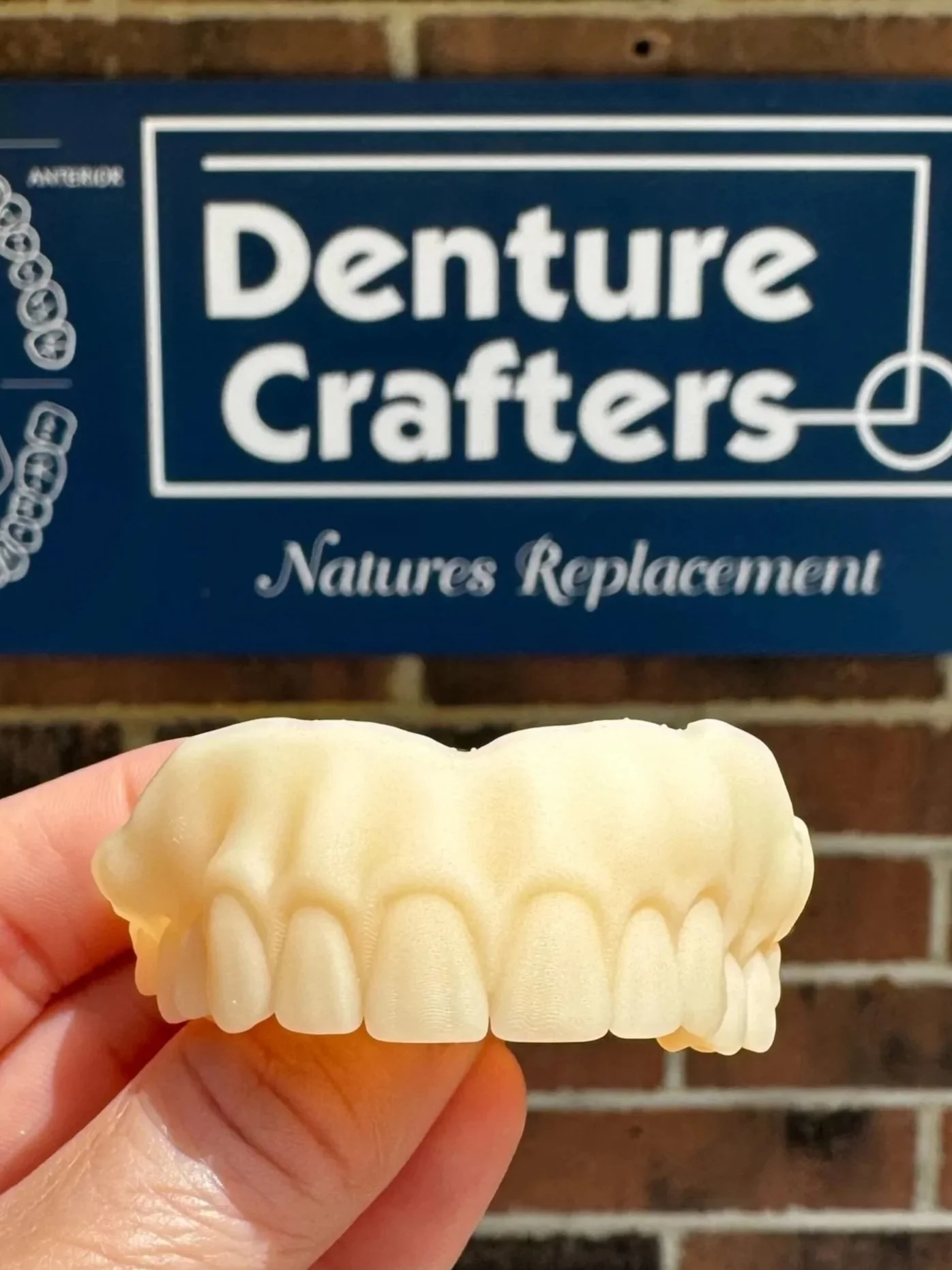
If your practice is exploring digital denture workflows, the Denture Crafters team is here to help simplify the process and support successful removable cases.
Send your first case today or contact our team to learn more about our digital denture services.
