Digital Denture Workflow: 4 Tips That Improve Case Accuracy
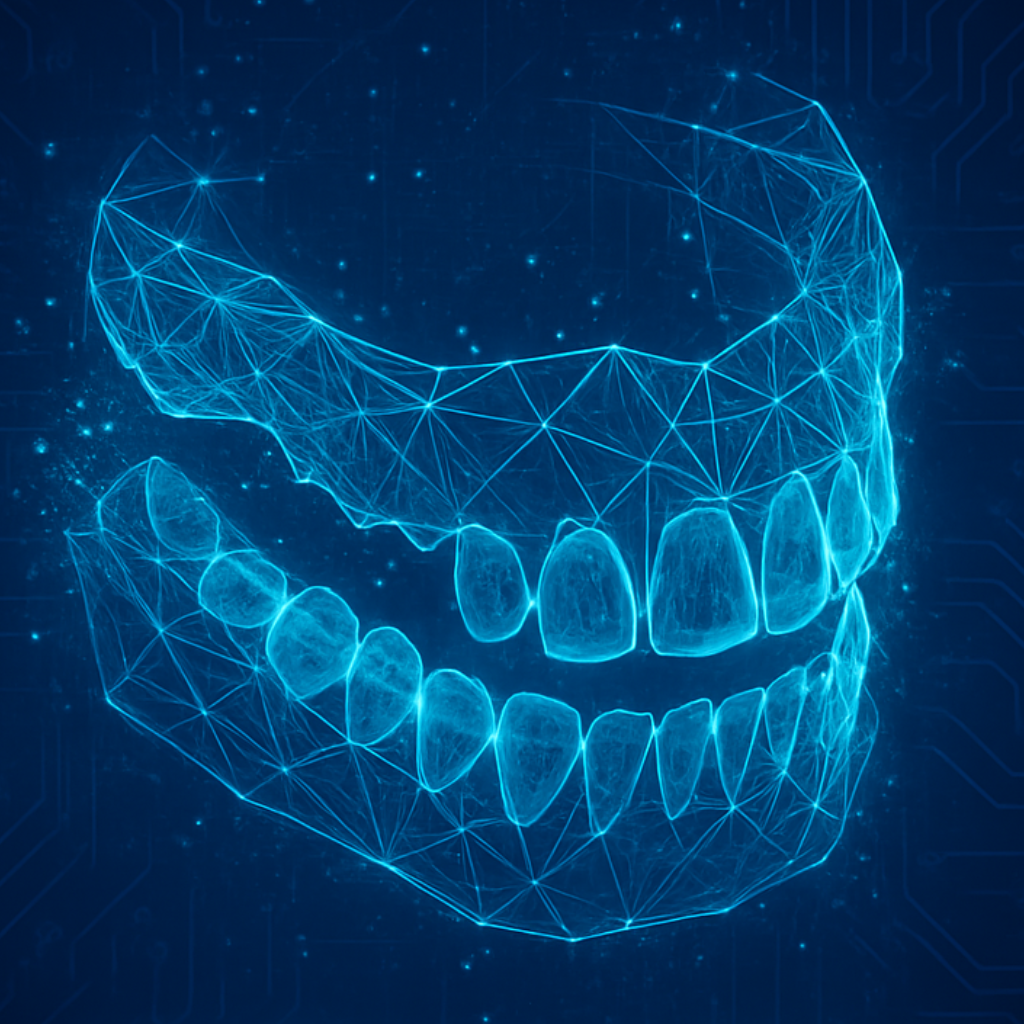
Why Digital Dentures Matter
Digital dentistry isn’t the future anymore — it’s the present. Today, digital impressions and CAD/CAM workflows are transforming the way clinicians and labs collaborate to deliver prosthetics.
But while digital tools promise speed and precision, poor workflows can lead to costly remakes, frustrated patients, and wasted chair time.
At Denture Crafters a Kansas City dental lab, we’ve worked with hundreds of clinicians and thousands of cases. The difference between success and failure often comes down to the workflow itself.
In this article, we’ll break down the essentials for:
Getting accurate digital impressions
Following a proven digital denture workflow
Improving patient acceptance with chairside confidence
Understanding when and how to add analog steps for extra accuracy
Digital Denture Workflow for Dental Practices
Digital denture workflows rely on accurate data capture, structured case submission, and clear communication between the clinician and the laboratory. When each step is followed in sequence, digital dentures can dramatically reduce chair time, improve patient acceptance, and create more predictable outcomes.
For dental teams, success with digital dentures starts with three key elements:
• Accurate intraoral scans
• Proper bite registration and case documentation
• Clear lab communication and material selection
When these elements are aligned, digital workflows can streamline production while maintaining the precision required for removable prosthetics.
What Are Digital Dentures?
“Digital dentures are removable prostheses fabricated using CAD/CAM technology. They begin with a digital impression or scan of the mouth and are designed virtually before being milled or 3D printed.” -(Cleveland Clinic)
Unlike traditional dentures, which require multiple impression stages and physical wax try-ins, digital dentures rely on:
Scans instead of impression trays
STL files instead of stone casts
Digital design software instead of manual wax-ups
Milling/printing instead of flasking and packing
👉 Explore our Digital Denture Services to see how we embrace the Digital Denture Revolution with Denture Crafters
At Denture Crafters, we’ve seen what works (and what doesn’t). Here are our top tips to help your digital cases go smoother, faster, and with higher patient acceptance.
Tip 1. Nail the Fit: Digital Impression Accuracy Still Matters
Even with digital, garbage in = garbage out. The #1 cause of denture remakes is poor scans.
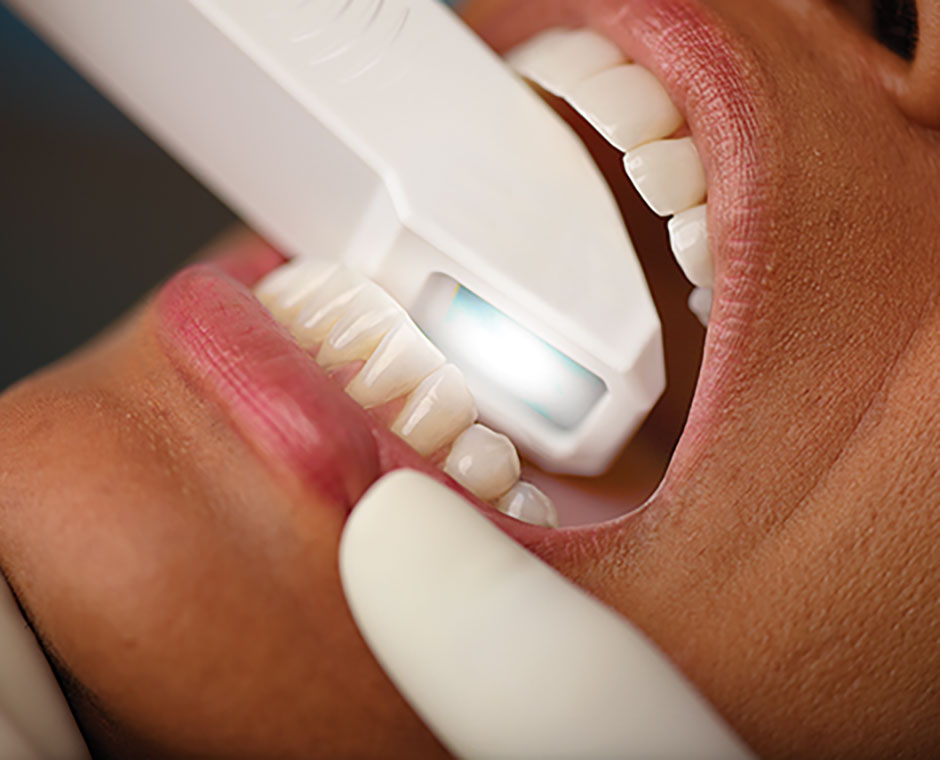
Scanning edentulous arches requires slightly different techniques than scanning natural dentition. When capturing full-arch data for digital dentures, small adjustments in scanning strategy can dramatically improve accuracy. Because edentulous arches lack fixed anatomical landmarks, stabilizing soft tissue and maintaining consistent scanner movement is essential for capturing reliable digital impressions.
Follow these essential steps to set yourself up for success. These scanning habits dramatically reduce digital denture remakes and improve case predictability.
✅ Dry thoroughly before scanning. Moisture creates “holes” in data capture.
✅ Capture borders clearly — vestibule, hamular notch, frenums, all soft tissue extensions.
✅ Scan the palate completely — incomplete palatal data is one of the most common causes of digital denture instability.
✅ Avoid rapid sweeping motions — slow controlled scanning reduces stitching errors.
✅ Retract cheeks and tongue properly — soft tissue interference often creates distorted borders.
✅ Rescan areas that appear shiny or reflective — scanners can struggle with reflective surfaces.
✅ For partials, scan everything — rest seats, undercuts, clasps.
Advanced Scanning Tips for Edentulous Arches
• Start at the thickest buccal border — this provides the most stable reference point for scan stitching.
• Roll the scanner into the intaglio surface rather than jumping directly to it. This improves data continuity.
• Use long overlapping sweeps across the ridge instead of short rapid movements.
• Use zig-zag scanning patterns when capturing the intaglio surface to ensure full data coverage.
• Always capture overlapping scan data so the software can properly stitch the model together.
These techniques help prevent stitching errors and produce more reliable digital denture models.
Not sure where to start?
Tip 2. Follow the Digital Workflow — Order Matters
Digital workflows succeed when followed step-by-step. Skipping or reordering introduces errors. Think of digital like baking — order matters. Here’s the proven sequence:
Scan upper and lower arches
Capture the bite (use bite registration if needed for accuracy)
Send STL files directly via your scanner or secure upload link
Include photos (smile, lip at rest, occlusion shots)
Provide clear Rx instructions —list what we’re fabricating and which materials you prefer
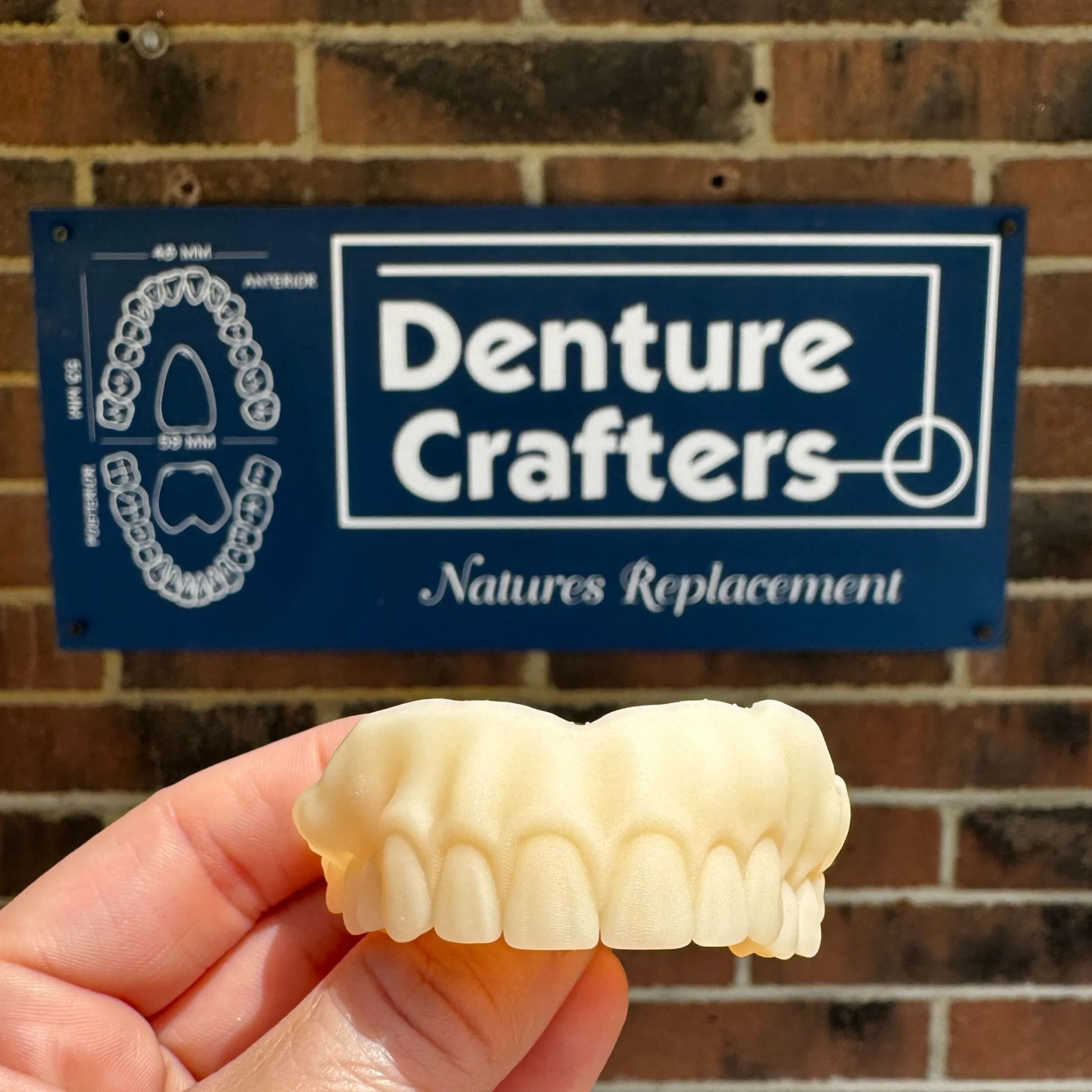
Pictured:
Monolithic digital try-in custom built at Denture Crafters
Bonus Tip: If you’re doing a baseplate and rim stage, take a light body wash impression inside the baseplate. This creates an even more accurate foundation and eliminates guesswork at the final stage.
Tip 3. Improve Case Acceptance with Chairside Confidence
Digital dentistry isn’t just about lab accuracy — it’s also a powerful patient acceptance tool. Patients are more likely to say “yes” when you can promise:
✅ Faster turnaround times (3-day digital turnaround with Denture Crafters!)
✅ Fewer visits thanks to digital consistency
✅ Visual Preview mockups or digital try-ins to “see before they say yes”
Bonus Perk for Patients
If the try-in fits well and the patient is happy, they get to keep it as a backup denture. It’s peace of mind they’ll love — and an extra value-add for your practice.
Tip 4. Combine Digital & Analog for Maximum Accuracy
While digital impressions dominate, analog impressions still play a role:
Digital excels at speed, storage, and repeatability.
Analog excels when recording extremely mobile soft tissues or in cases where scanners struggle with reflective surfaces.
According to NCBI research on digital impressions, hybrid workflows (digital + analog) often yield the highest success rate for complex prosthetics.
Reference: Digital impression accuracy study – NCBI
How Denture Crafters Helps Clinicians Simplify Digital Dentures
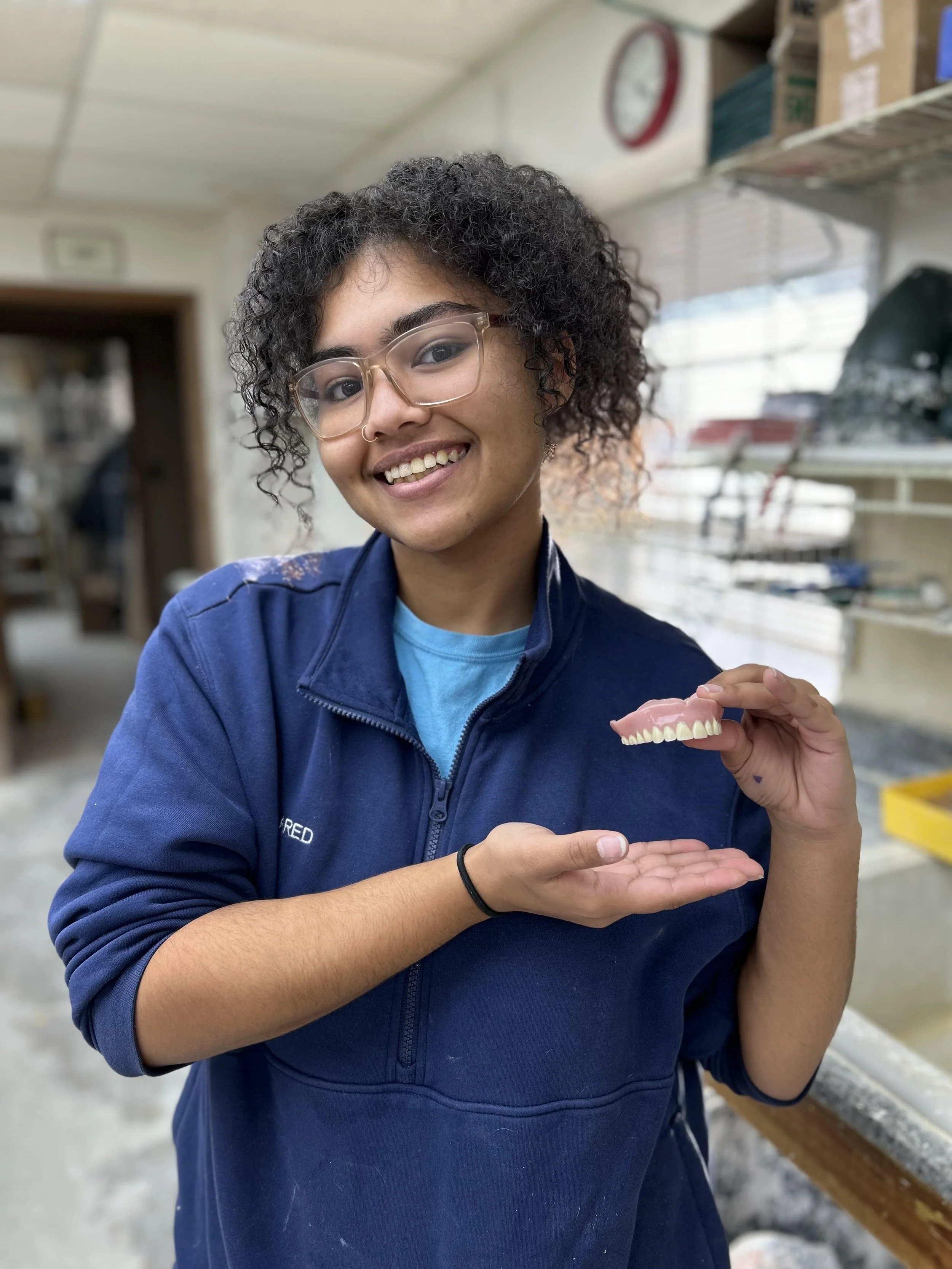
At Denture Crafters, we make digital dentistry work for you, not against you!
After 30+ Years partnering with dentists, here’s what sets us apart:
🦷 We accept STL files from any scanner
🦷 We support both new digital users and advanced clinicians
🦷 We offer step-by-step guidance for tricky cases
🦷 3-day turnarounds so your patients don’t wait
🦷 Direct communication with experienced technicians when cases need troubleshooting
🦷 First case special: Get 50% OFF your first case with Denture Crafters
Final Thoughts
Digital dentures may feel complex, but with the right workflow, they’re not only manageable — they’re a growth opportunity for your practice. By mastering impression accuracy, following a proven digital workflow, and leveraging patient-facing benefits, you’ll deliver faster, more predictable results with higher patient satisfaction.
At Denture Crafters, we’re here to be your digital partner — offering both the technology and the technician support you need to make every case a success.
For a deeper understanding of how digital dentures work, read our complete guide to digital dentures and digital workflows.
📞 Ready to get started? Contact our team today and let’s simplify digital dentures together.
