Why Digital Dentures Fail (And How to Avoid It)
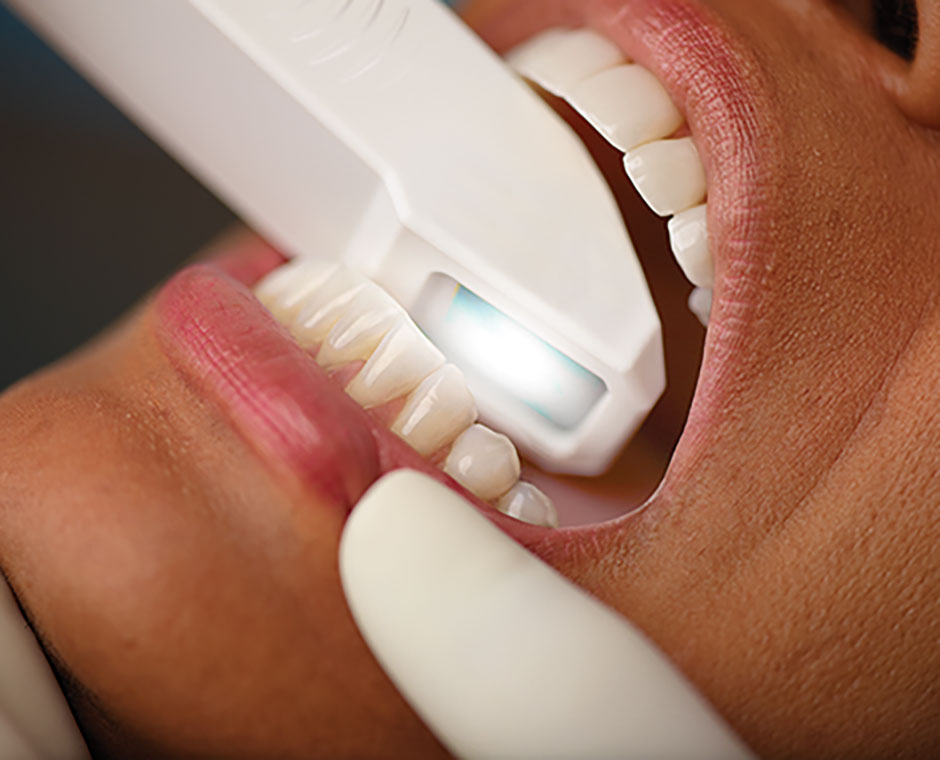
Digital dentures have transformed removable prosthetics, offering improved efficiency, repeatability, and workflow consistency.
But despite these advantages, not every digital denture case goes smoothly.
In fact, many of the frustrations clinicians experience with digital dentures — poor fit, remakes, or unexpected adjustments — are not caused by the technology itself.
They’re caused by breakdowns in the workflow.
Understanding where digital denture cases fail is the first step toward creating predictable, successful outcomes.
👉 If you're looking for a deeper breakdown of how digital dentures are designed, fabricated, and delivered, you can also read our complete guide to digital dentures.
Where Digital Denture Cases Go Wrong
1. Poor Scan Quality
Digital workflows begin with data — and if that data is inaccurate, everything that follows is affected.
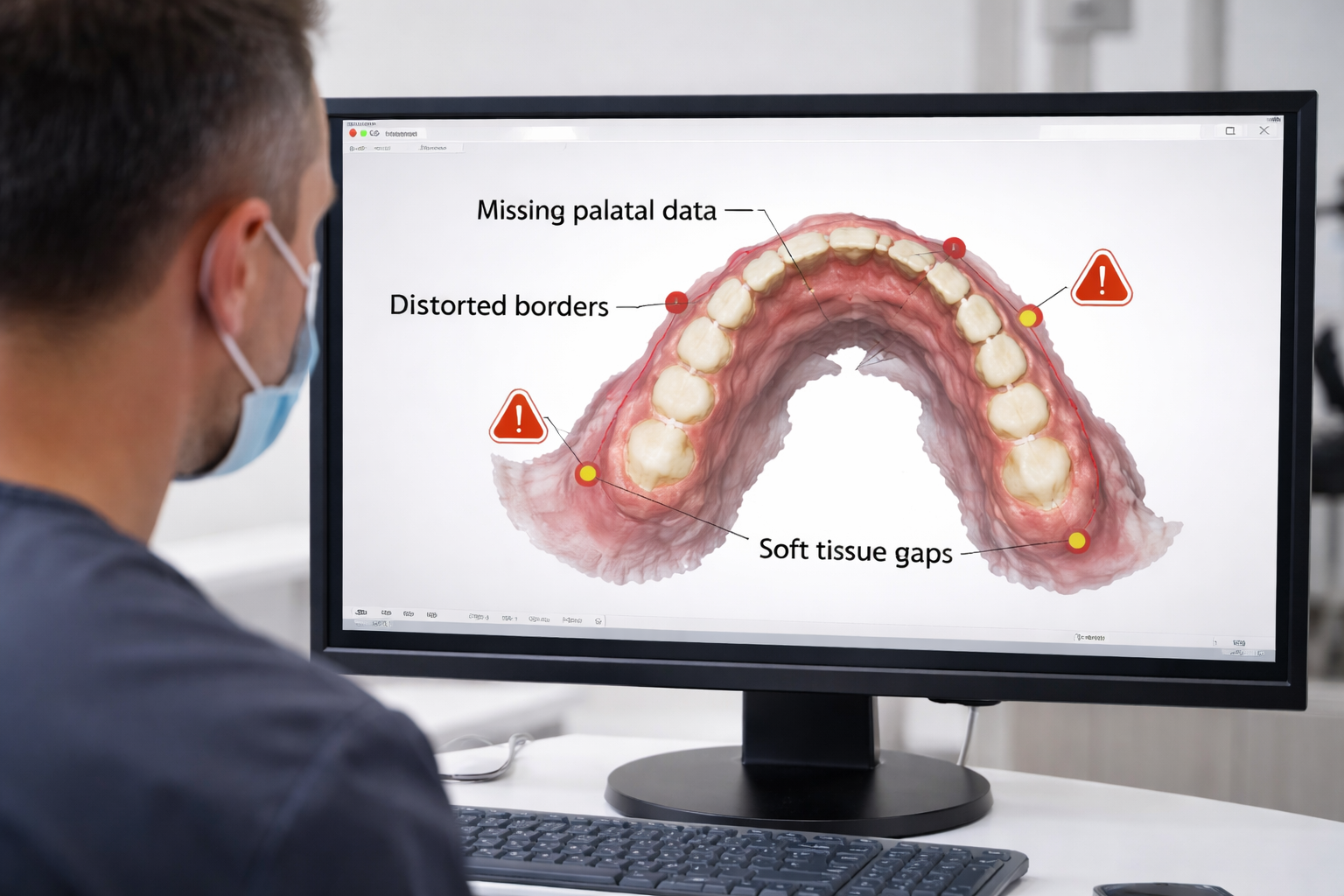
Edentulous arches present unique challenges for intraoral scanning. Without stable landmarks, even small inconsistencies in technique can lead to distorted borders, incomplete anatomy, or stitching errors.
Common issues include:
Incomplete vestibular capture
Missing palatal data
Soft tissue movement during scanning
Rapid or inconsistent scan patterns
Even with advanced scanners, poor technique can lead to inaccurate digital models and unstable dentures.
👉 If you want a deeper breakdown of scanning techniques, we’ve outlined key strategies in our digital denture workflow tips guide.
2. Incomplete Records and Case Information
A digital scan alone is not enough to fabricate a predictable denture.
Missing or unclear records can force the laboratory to make assumptions — and in removable prosthetics, assumptions often lead to adjustments or remakes.
Common gaps include:
Inaccurate or missing bite registrations
Lack of vertical dimension guidance
Missing photos for esthetics and lip support
Unclear prescription instructions
Digital workflows move quickly, but they still depend on complete and accurate clinical information.
3. Incorrect Case Selection
One of the most common misconceptions is that digital dentures are always the best option.
In reality, certain cases still benefit from traditional or hybrid workflows.
Situations where digital may be more challenging include:
Highly mobile or compressible soft tissue
Severely resorbed ridges
Cases requiring detailed border molding
Patients with complex anatomical limitations
Digital dentures are a powerful tool — but like any tool, they are most effective when used in the right situations.
👉 If you're comparing when to use each approach, you can also read our digital vs traditional denture guide.
4. Communication Gaps Between Clinic and Lab
Digital workflows can give the impression that everything is automated — but collaboration is still essential.
When communication breaks down between the clinician and the laboratory, it often results in:
Misaligned expectations
Incorrect tooth setup or esthetics
Occlusal discrepancies
Delays or remakes
Successful digital denture cases rely on clear communication, just like traditional workflows.
5. Over-Reliance on Technology
Digital tools improve efficiency — but they don’t replace clinical judgment.
Technology can:
Improve consistency
Streamline workflows
Reduce manual steps
But it cannot:
Evaluate soft tissue dynamics
Replace clinical decision-making
Automatically correct poor input data
The most successful practices are not fully digital or fully traditional — they understand how to integrate both.
How to Avoid These Issues
The good news is that most digital denture failures are preventable.
Practices that achieve consistent success with digital workflows tend to focus on a few key areas:
✔ Prioritize scan quality
Take the time to capture complete, accurate data — especially borders and soft tissue.
✔ Provide complete case information
Include bite records, photos, and clear prescriptions to eliminate guesswork.
✔ Select cases appropriately
Use digital, traditional, or hybrid workflows based on clinical needs — not just technology availability.
✔ Maintain clear communication with your lab
Collaboration remains one of the most important factors in removable success.
✔ Use digital as a tool, not a replacement
Digital workflows enhance dentistry — they don’t replace clinical expertise.
Supporting Predictable Digital Denture Workflows
At Denture Crafters, we work with practices at every stage of digital adoption — from first-time digital cases to fully integrated workflows.
Our team supports:
Scan review and case guidance
Digital and hybrid workflows
Communication throughout the case process
Troubleshooting when challenges arise
We accept scans from all major intraoral scanning systems and help simplify the process so your team can focus on patient care.
Final Thoughts
Digital dentures are not inherently more difficult — but they are less forgiving.
Small gaps in scanning, records, or communication can have a larger impact in digital workflows than in traditional ones.
When the workflow is followed correctly, digital dentures can deliver:
Greater consistency
Fewer appointments
Faster remakes
Improved patient experience
Understanding where things go wrong — and how to avoid those issues — is what separates predictable outcomes from frustrating ones.
Ready to Improve Your Digital Denture Outcomes?
If your practice is exploring digital dentures or looking to improve consistency with current workflows, our team is here to help.
👉 Submit a case today or reach out to discuss how we can support your digital denture workflow.
