Where It All Starts: Dental Impressions & Scans That Lead to Better Denture Outcomes
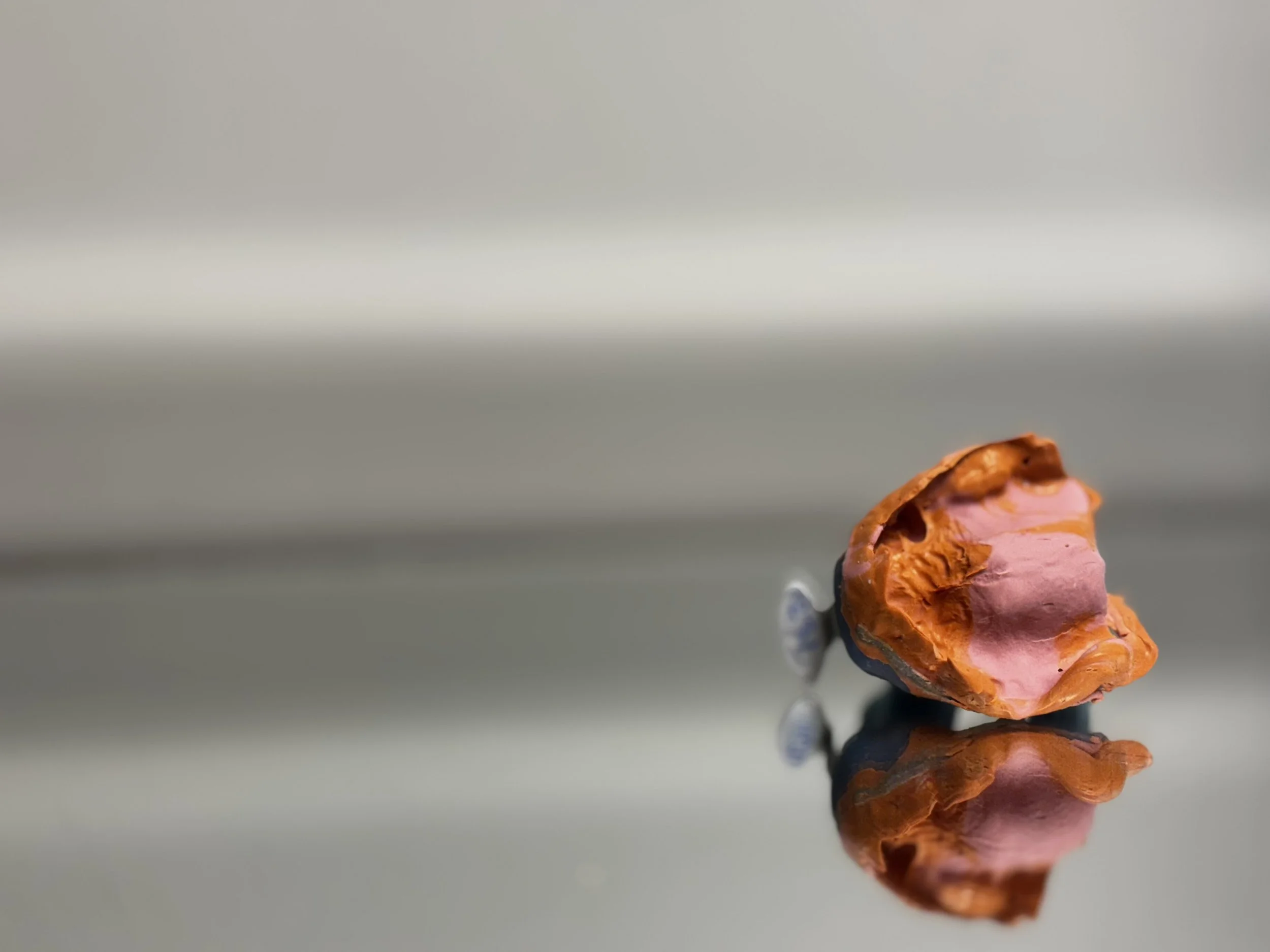
Every successful denture repair, reline, or new prosthetic hinges on one foundational step: a high-quality dental impression or digital scan. These initial records shape the accuracy, turnaround time, and overall satisfaction of the results—for both clinicians and patients. In this article, we’ll explore:
What dental impressions are
Differences between analog impressions and digital scans
Step-by-step guidelines for common procedures
Best practices that minimize remakes and maximize patient satisfaction
The advantages of partnering with Denture Crafters
Let’s dive in and build strong foundations—literally!
1. What Is a Dental Impression?
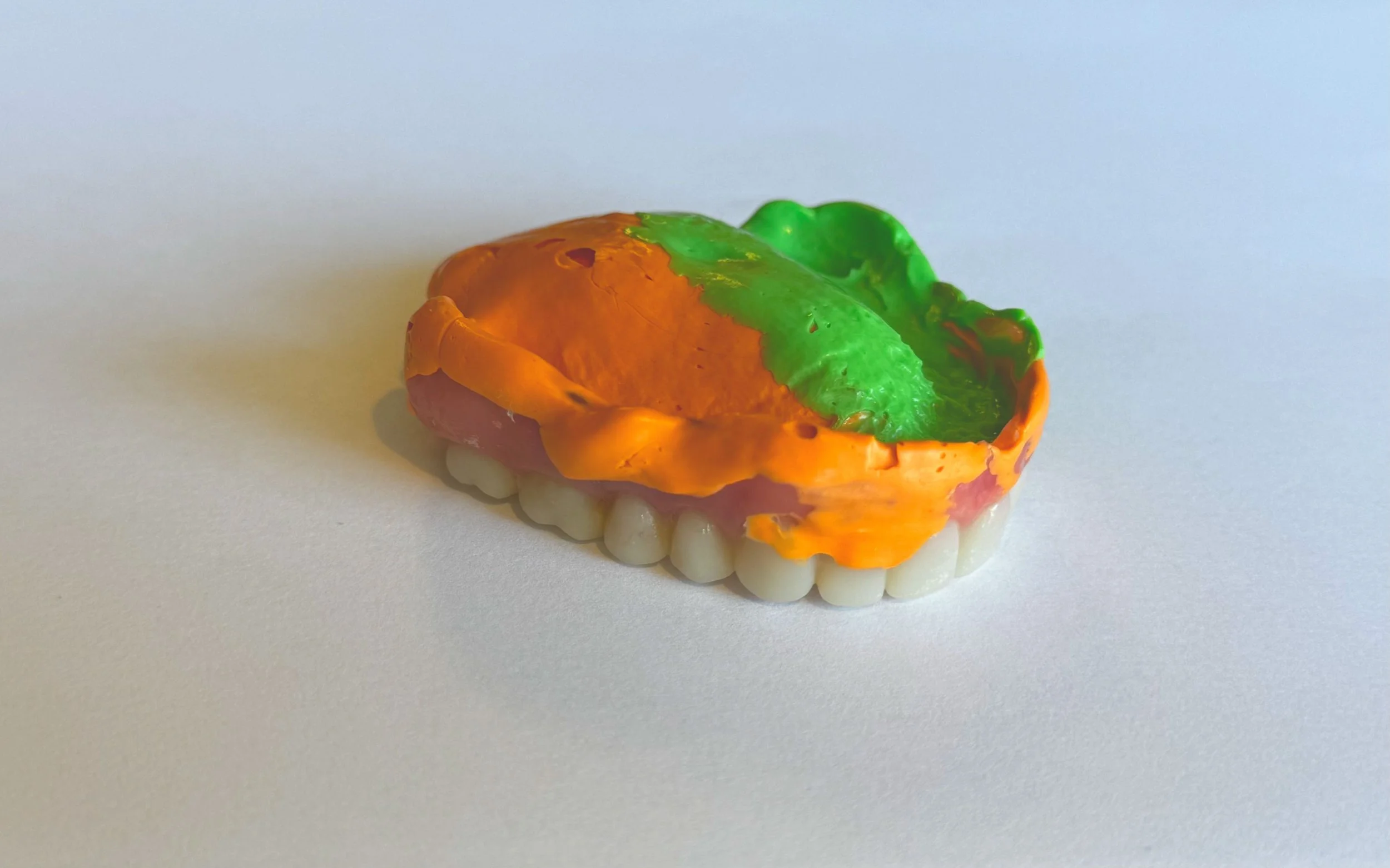
“Dental impressions are imprints of your teeth, gums and surrounding oral structures. They’re used to create diagnostic models … dental restorations, whitening trays, retainers, mouth guards and more.” - Cleveland Clinic
In essence, impression-taking is the blueprint for any custom dental work—without reliable records, even the most precise lab can’t produce an accurate restoration.
2. The Role of Impressions in Different Processes
Impressions can vary based on the stage and purpose:
Preliminary impressions: Guides for initial treatment planning or tray fabrication
Final impressions: Highly detailed records used by labs to fabricate crowns, dentures, bridges, and other prosthetics
Bite registration: Captures the occlusal relationship between upper and lower arches
3. Impression Guide for Repairs & Relines
Even “simple” denture repairs depend on clear, accurate records. Sending accurate records means faster turnaround times, fewer remakes, and — most importantly — happier patients. Here’s a quick impression guide for dentists:
Repairing a Fracture
Puzzle-piece fit: No impression needed
Missing piece — Partial: Pick-up impression
Missing piece — Full: Wash impression
Tooth Repair
Partial dentures: Pick-up impression + opposing model + bite
Anterior: No impression needed
Posterior: Opposing model
Clasp Repair
Always: Pick-up impression
Rebase / Reline
Wash impression for the most accurate fit
Pro Tip: A wash impression captures surface details without distorting the underlying denture base. This extra step often prevents remakes and unnecessary chairside adjustments..
Not sure where to start?
Contact our team for a consultation today
4. Analog Impressions: Best Practices
For traditional workflows:
Use full-arch impressions plus bite registration to ensure the model and occlusion are accurately represented.
Ensure impressions are poured quickly or stored with appropriate moisture to prevent distortion—especially if using alginate, which is prone to phase changes like syneresis or imbibition
Material choices matter:
Alginate – inexpensive and user-friendly, but less stable over time; ideal for preliminary or study models
Elastomerics (PVS, polyether) – high accuracy, repeatable pours, ideal for final impressions
Custom trays improve uniformity and material thickness—boosting precision over stock trays. Learn more about stock vs. custom tray selection and how it impacts denture accuracy here.
5. Digital Scans: Accuracy Starts with Technique
Digital dentistry is rapidly transforming workflows and many practices are now exploring digital denture workflows as an alternative to traditional fabrication, but scanning technique is critical. In fact, poor scans are the #1 cause of remakes. To avoid delays and frustration, follow these best practices:
Dry thoroughly: Moisture can obscure fine detail
Go slow & steady: Speed causes distortion
Capture anatomical landmarks: Vestibule, hamular notch, frenums, rest seats, & undercuts
Overlap passes slightly: Ensures no gaps in the model
Check before sending: Review your STL to confirm nothing’s missing
6. Why Accurate Impressions Matter
Improved Fit = Fewer Remakes:
Accurate records minimize ill-fit and reduce chairside corrections.Faster Turnaround = Better Patient Flow:
Clear, precise impressions help labs process cases faster.Better Clinical Predictability:
Clinicians can plan and deliver with confidence.Greater Patient Satisfaction:
Less adjustment means happier patients with smoother experiences.Cost-Efficiency:
Reduces material waste, lab remakes, and clinician time.
7. Why Partner with Denture Crafters
We’ve spent the last 30+ years we’ve helping dentists, office managers, and DSOs across the country regain confidence in their lab experience. We’re not just as a lab, but partners in precision:
🦷 Reliable Same-Week Turnarounds
🦷 Expert Support for complex or unclear cases
🦷 Versatile Workflows—analog and digital
🦷 Alignment with Dentists—we proactively clarify any records for better outcomes
Thinking about digital vs analog? Let’s talk before sending to ensure your submission is optimized for best results.
Everything begins with the impression—or scan
The guidance and accuracy you bring at the start ensure optimal outcomes and smoother workflows down the line.
At Denture Crafters, we believe in crafting excellence—starting with precision records. Whether analog or digital, let’s make your next case seamless, accurate, and satisfying.
Let’s do it right—together.
Contact our team today or give us a call—we’re here to help your practice deliver smiles efficiently and accurately.
For a complete overview of improving denture outcomes from impression to final fit, read our full clinical guide here.
