Denture Reline vs. Rebase: When to Choose Each and Why It Matters
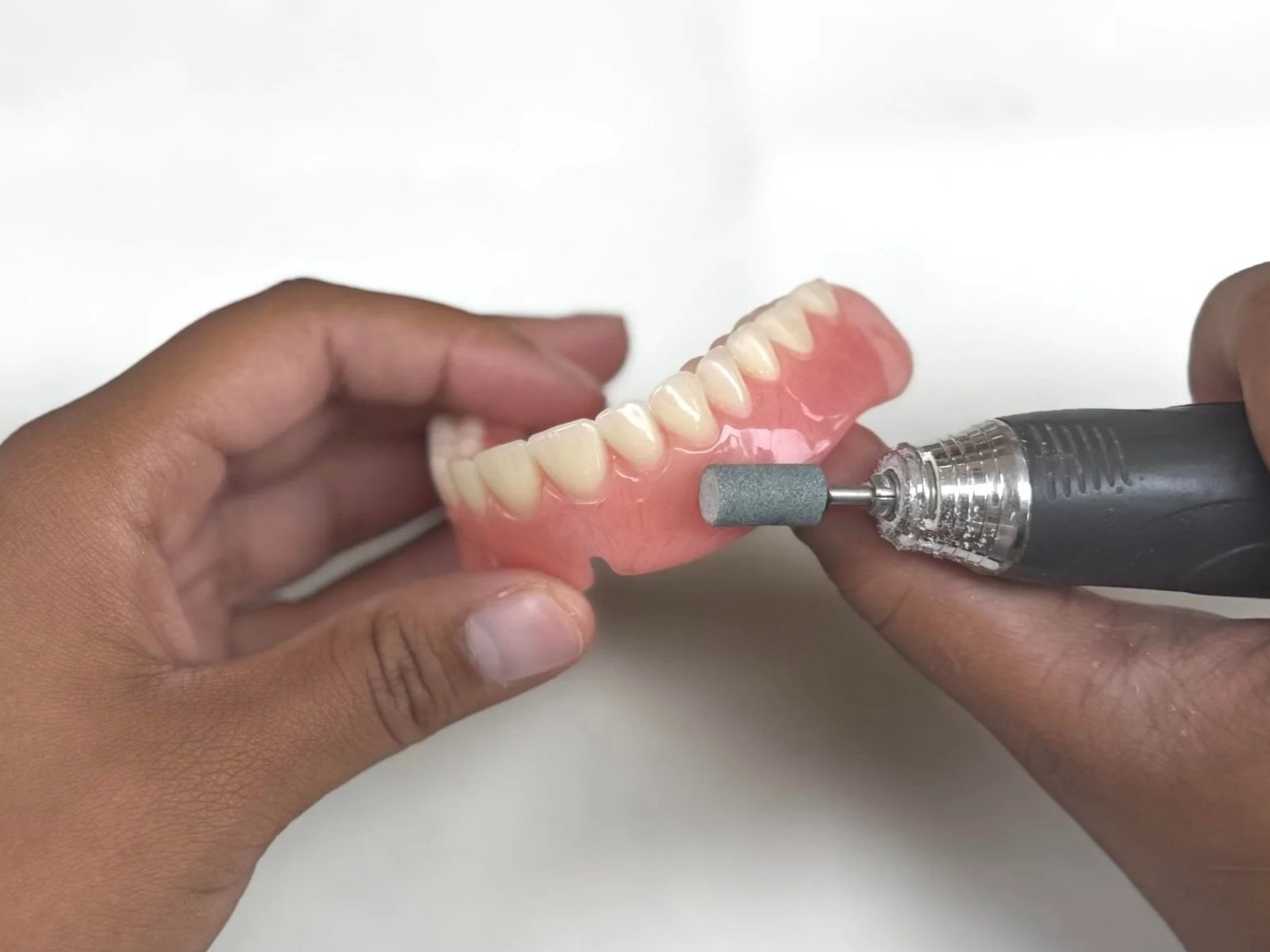
Denture Reline vs. Rebase: Understanding the Difference
Denture relines and rebases are often discussed interchangeably, but they serve distinct clinical purposes. Choosing the correct approach directly impacts fit, comfort, longevity, and whether a patient ultimately requires a remake.
For dental practices, understanding when to reline versus when to rebase can reduce chair time, prevent avoidable remakes, and protect production.
Let’s break it down clearly.
What Is a Denture Reline?
A denture reline replaces the internal tissue-contacting surface of an existing denture while preserving the current denture base and teeth.
Relines are typically indicated when:
Soft tissue changes occur due to bone resorption
The denture teeth and occlusion remain acceptable
The base is structurally sound
Retention has decreased but vertical dimension remains correct
Relines restore adaptation to the tissue without altering the external anatomy of the prosthesis.
Types of Relines
Soft Reline:
Used temporarily or for sensitive tissue conditions.
Hard (Lab) Reline:
Processed in the laboratory for long-term stability and accuracy.
For predictable outcomes, wash impressions are strongly recommended prior to lab relines to capture detailed tissue adaptation.
What Is a Denture Rebase?
A rebase replaces the entire acrylic base of the denture while preserving the existing denture teeth.
Rebasing is indicated when:
The denture base shows significant wear, staining, or porosity
The acrylic has weakened structurally
There are recurrent fracture issues
The teeth are still functional and esthetically acceptable
Unlike a reline, a rebase rebuilds the foundation of the prosthesis while maintaining the established occlusion.
When to Reline vs. When to Rebase
Choose a Reline When:
The denture base is intact
The fit has loosened due to tissue changes
Occlusion and esthetics are satisfactory
Vertical dimension remains stable
Choose a Rebase When:
The acrylic base is compromised
Repeated repairs indicate structural weakness
The base has discoloration or long-term material degradation
You want to extend the life of otherwise functional denture teeth
Making the correct distinction avoids unnecessary remakes and preserves patient confidence.
Common Clinical Mistakes That Lead to Remakes
Remakes often occur when a reline or rebase would have been appropriate earlier.
Frequent issues include:
Inadequate wash impressions
Failure to capture full anatomical borders
Distorted impressions
Changing vertical dimension unintentionally
Ignoring signs of acrylic fatigue
Clear documentation and accurate records allow the laboratory to determine the most appropriate path forward.
The Laboratory’s Role in Fit Stability
Relines and rebases are only as predictable as the records provided.
Accurate impressions, stable bite registrations, and clear prescriptions significantly reduce post-delivery adjustments.
At Denture Crafters, every reline and rebase case is reviewed prior to processing. If borders appear incomplete or bite records inconsistent, our team contacts the office before fabrication begins.
This proactive approach prevents unnecessary remakes and protects your schedule.
Why Proper Case Selection Matters
Choosing between reline, rebase, or full remake is not just a clinical decision — it is a production decision.
Correct case selection:
Preserves chair time
Improves turnaround predictability
Reduces material waste
Increases patient satisfaction
Strengthens long-term lab partnerships
Prevention is always more efficient than correction.
Partnering for Predictable Outcomes
Relines and rebases should extend the life of a denture — not create additional complications.
When case selection is clear and records are precise, relines and rebases become highly predictable procedures that protect both patient satisfaction and production efficiency.
If you’re unsure whether a case calls for a reline, rebase, or full remake, our team is available to review it before you proceed. A quick consultation can often prevent unnecessary remakes, additional chair time, and patient frustration.
At Denture Crafters, we prioritize communication, case evaluation, and long-term partnerships with the practices we serve.
For a complete overview of improving denture outcomes from impression to final fit, read our full clinical guide here.
Have a case you’d like reviewed? Contact our team today or submit your next reline or rebase case with confidence.
