Pouring Strong Foundations: The Science of Dental Stone
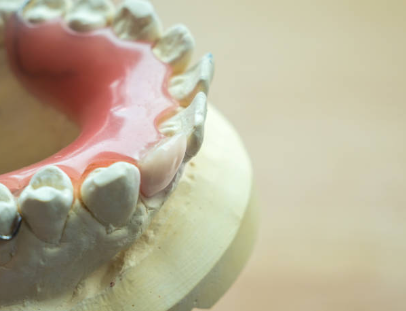
Dental Stone - Custom Denture made at Denture Crafters
When you send a dental impression to the lab, the very first step is pouring it in stone. It might sound like a routine detail, but this single step sets the stage for the accuracy and success of the final restoration.
Choosing the correct dental stone isn’t just a lab preference — it directly impacts precision, durability, and the comfort your patients experience. In this article, we’ll cover the different types of dental stone, their uses, why this step matters so much, and how Denture Crafters ensures every case starts with the right foundation.
What Is Dental Stone?
Dental stone is a specially formulated gypsum product used to create replicas (casts or models) from patient impressions. These casts serve as the working foundation for dentures, crowns, bridges, implant restorations, and orthodontic appliances.
While it might look like “just a rock” to the untrained eye, the properties of dental stone — including compressive strength, setting expansion, and surface detail reproduction — determine how closely the model mimics the patient’s oral structures. Even slight differences can impact fit, function, and long-term comfort.
If you’re a dentist looking to improve your clinical outcomes, understanding the basics of dental stone helps you partner more effectively with your dental lab.
The Different Types of Dental Stone
Dental professionals often refer to dental stones by their ADA classification (Type II through Type V). Each type has distinct properties and ideal use cases.
Type II – Plaster (White)
Purpose: Simple study models, orthodontic setups, and basic diagnostic casts.
Strength: Low compressive strength, fragile compared to higher types.
Best For: Records, treatment planning, opposing models.
While plaster is inexpensive and easy to manipulate, it’s not suitable for cases requiring high accuracy or durability.
Type III – Dental Stone (Yellow)
Purpose: The workhorse of the dental lab — commonly used for removable prosthetics.
Strength: Moderate compressive strength, offering a balance between durability and detail.
Best For: Standard working casts for removable dentures, partials, and orthodontic retainers.
At Denture Crafters, this is our most commonly used stone because it provides consistent results without compromising on detail or durability.
Type IV – High-Strength Stone (Green or Pink)
Purpose: Precision cases where detail and strength are critical.
Strength: Very high compressive strength, minimal expansion.
Best For: Crown & bridge dies, implant restorations, and complex partial frameworks.
The accuracy of Type IV stone ensures restorations fit right the first time, reducing costly chairside adjustments.
Type V – High-Strength, High-Expansion Stone (Blue)
Purpose: Designed for high-heat applications, especially casting metals.
Strength: Extremely high strength with controlled expansion.
Best For: Cast partial frameworks and situations where expansion compensates for shrinkage during metal casting.
Why the Choice of Dental Stone Matters
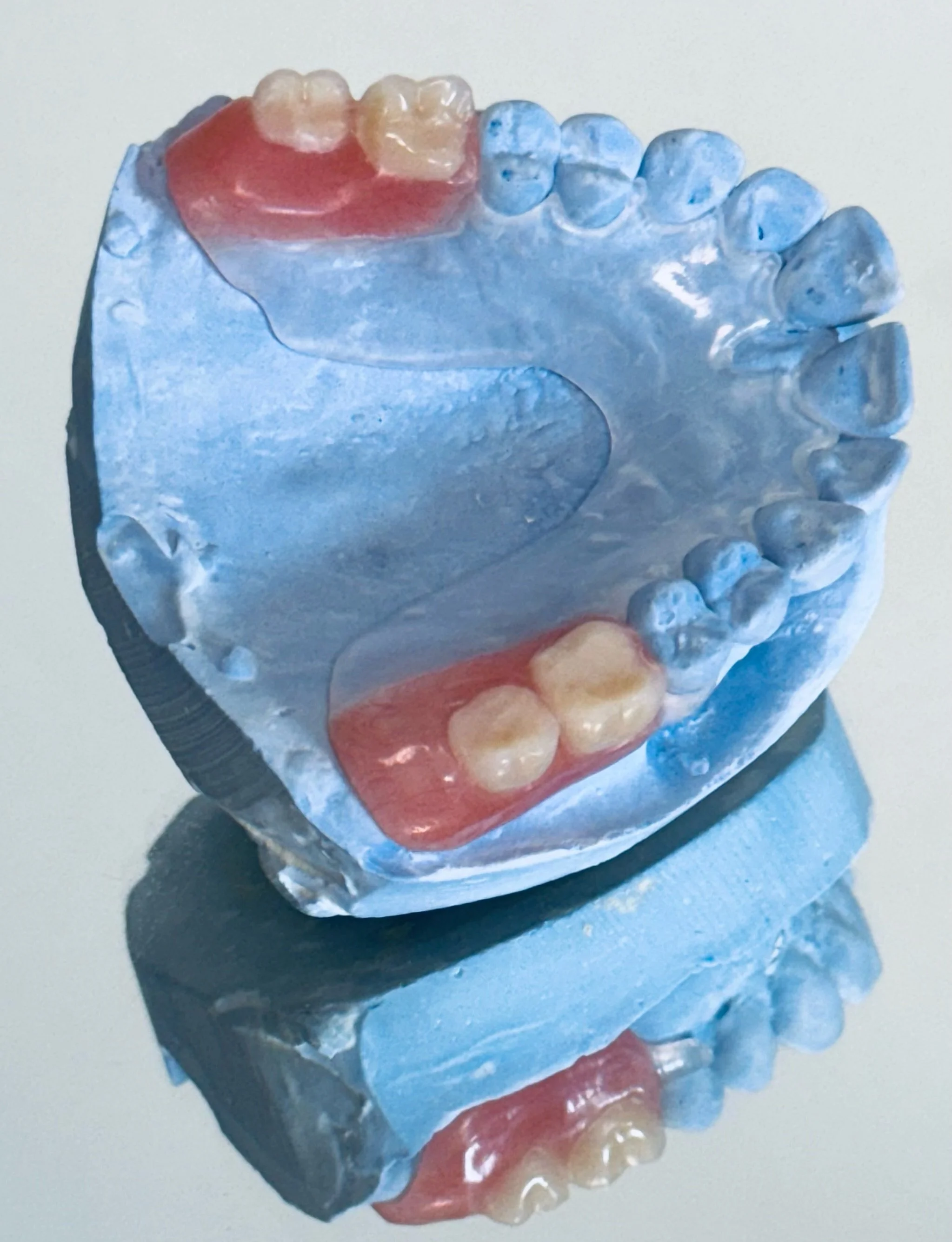
Using the wrong type of stone isn’t just a technical mistake — it can lead to poor outcomes for the dentist and patient.
1. Accuracy = Better Fit
Models that distort or expand incorrectly create ill-fitting restorations. That means more chair time, adjustments, or even remakes. By choosing the right stone, we minimize distortion and help ensure a precision fit from the start.
2. Strength = Model Durability
Models endure trimming, articulation, and processing. The wrong stone can crumble, chip, or distort. Stronger stones ensure models hold up through the entire fabrication process.
3. Color Coding = Clear Communication
Each type of stone is tinted (yellow, green, blue, etc.), making it easy for both the lab and dentist to quickly identify the type of model at a glance.
4. Patient Satisfaction = Fewer Adjustments
When restorations fit properly the first time, patients experience less frustration, and dentists spend less time on adjustments. That means fewer return visits, improved efficiency, and better patient satisfaction.
Common Questions About Dental Stone
Is dental stone the same as plaster?
No. While both are gypsum-based, plaster (Type II) is weaker and used mostly for study models. Dental stone (Types III–V) is stronger and more accurate, making it suitable for working casts.
How long does dental stone take to set?
Setting times vary by type and manufacturer, but most stones begin to set in 8–10 minutes and achieve final hardness within 30–60 minutes.
Does stone choice really affect dentures and crowns?
Absolutely. A poorly chosen stone can distort margins, alter occlusion, and compromise overall fit. The right choice ensures accuracy and durability.
How Denture Crafters Ensures Accuracy
At Denture Crafters, we view pouring impressions as one of the most critical steps in the workflow. Our process includes:
Case-by-case stone selection – not every case gets the same treatment.
Strict quality control – ensuring proper mixing ratios, working times, and curing.
Color-coded model management – for instant clarity at every stage.
Collaboration with clinicians – we’re always available to explain our material choices and help dentists understand the “why” behind the process.
These small but important details are what help us deliver restorations that fit better, last longer, and keep patients smiling.
Related Resources
To dive deeper into dental materials and lab processes, check out these resources:
Our Denture Services (See the full list of services offered at Denture Crafters)
Lab Technician Consultations: Expert support from Specialists at Denture Crafters
Final Thoughts
Dental stone may not get much attention, but it’s the foundation of every successful restoration. The right material choice impacts accuracy, durability, and patient satisfaction. At Denture Crafters, we don’t just pour models — we pour strong foundations designed to support great dentistry.
For a complete overview of improving denture outcomes from impression to final fit, read our full clinical guide here.
Have an upcoming case and want to ensure it starts with the right foundation? Contact our team today to discuss how we can support your practice.
